Top 16 Sentiment Analysis Tools for Sharper Customer Insights in 2026


Your customers are talking about you right now. The question is whether anyone on your team can tell if the conversation is going well.
That gap is what sentiment analysis tools exist to close. Sentiment analysis reads the emotional tone behind social media posts, reviews, support tickets, and survey responses, then tells you whether people sound pleased, irritated, or somewhere in the murky middle.
Here's the uncomfortable part. Most teams measure what's easy instead of what's true. In its 2026 AI Experience Benchmark, Quantum Metric found that "just 37% look at voice of customers surveys or other customer feedback" when judging success. Conversion tells you what happened. Customer sentiment tells you why.
This guide covers 16 sentiment analysis tools worth your attention in 2026, each checked against its own website rather than a review site — several lists still circulating recommend products that no longer exist.
What is sentiment analysis?
Sentiment analysis uses artificial intelligence — natural language processing and machine learning — to work out the emotional tone behind text data. At its simplest, it labels each mention as positive, negative, or neutral with a confidence figure. That first pass is sentiment polarity, the layer every sentiment analysis tool starts from.
The input is almost always unstructured data: social media posts, reviews, survey responses, chat transcripts. Turning that qualitative data into something countable is the point — you can't chart a paragraph, but you can chart how many are positive.
Good sentiment analysis goes further than positive, negative, or neutral. Emotion detection separates joy from frustration and disappointment, and the better sentiment analysis tools report both. Aspect-based sentiment analysis splits a review into parts, so "great battery, awful screen" registers as positive sentiment and negative sentiment about two features rather than cancelling out to neutral.
Opinion mining is the same idea under an older name — academic papers say opinion mining where vendors say sentiment analysis. Some sentiment analysis tools have moved past text altogether, reading images, video, and audio, which matters more every year as social media platforms get less text-based. New to the vocabulary? Our social listening glossary is a reasonable start.
How sentiment analysis tools actually analyze sentiment
Sentiment analysis software combines natural language processing with machine learning, taking one of two routes. Lexicon methods score words against a dictionary of sentiment values. Machine learning methods train on labelled examples and learn context from human language — which is how sentiment analysis works out that "sick" in a sneaker review is praise.
Both approaches analyze sentiment far faster than any human team, and both extract insights from unstructured text data nobody would otherwise read. What neither does reliably is extract insights from sarcasm.
Natural language processing handles the messy part first: splitting text into sentences, tagging entities, resolving what "it" refers to. Only then can machine learning assign customer sentiment to the right target. Skip it, and a tool reads "the delivery was late, but the shoes are perfect" as negative, missing the positive sentiment about the product.


Accuracy is still the hard part, and vendors are open about it. Brandwatch rebuilt its model and reported "around 18% better accuracy on average across previously supported languages" — which tells you two things: sentiment analysis algorithms keep improving, and they needed to.
So treat any overall sentiment reading as a direction, not a verdict. Teams that get real value spot-check their sentiment data, correct mislabels, and watch sentiment trends over weeks rather than a single day's number. Accurate sentiment in aggregate is achievable. Perfect sentiment scores on every post are not.
What to look for in sentiment analysis tools
Not every tool needs to do everything, and a good sentiment analysis tool is the one your team opens twice a week. But a few things separate a good sentiment analysis tool from an expensive mention counter. The best sentiment analysis platforms get all of these right.
Coverage matching where you're discussed. Various social media platforms, review sites, forums, news sites, podcasts — and increasingly AI chat, which is why Moltbook monitoring now belongs in the mix.
Sentiment analysis beyond text. Logos and scenes carry brand sentiment that text-only social sentiment analysis tools miss. A good sentiment analysis tool reads pictures too.
Aspect-level detail. Knowing customers dislike your app is useless. Knowing they dislike checkout is a roadmap.
Multilingual sentiment analysis. Text translated then scored loses sarcasm and slang. Multilingual sentiment analysis that reads multiple languages natively is worth paying for.
Integrations giving you smooth data flow. Sentiment data stuck in one dashboard produces reports, not actionable insights.
Alerts you'll act on. A negative sentiment spike matters for about six hours, and brand reputation damage compounds fast after that.
Reporting people will read. Shared social listening dashboards beat a monthly PDF nobody opens.
The pressure is real. Verint's State of Customer Experience 2026, based on 5,000 US consumers, found "51% now say businesses fall short when they need help" — a majority for the first time in five years of the study.
How teams use sentiment analysis tools day to day
Five jobs come up again and again, and they change which sentiment analysis tools make sense for you.
Catching a crisis early. A negative sentiment spike at 9am is manageable. The same spike found on Thursday is a news cycle. Real-time alerts plus crisis management planning is the pairing that works, and improving customer service starts with seeing the complaint first.
Reading campaign reaction. Likes and shares tell you your reach. Social media sentiment analysis tells you whether your target audience liked what they saw. Run it alongside your social media analytics tools, then adjust your marketing strategies while the campaign is still live.
Improving the product. Aspect-level sentiment scores turn a wall of complaints into a ranked list of fixes, and tracking sentiment by feature shows which release helped. Analyze feedback this way for two quarters, and you'll spot positive trends you'd otherwise credit to luck.
Watching the competition. Competitor sentiment benchmarking shows where rivals are losing goodwill — usually the fastest route to a positioning idea. Most social media monitoring tools do this out of the box.
Feeding market research. Sentiment data is unprompted market research you never commissioned. It helps you identify emerging trends months before a survey would, and reading customer emotions at scale beats guessing.
The 16 best sentiment analysis tools in 2026
Here are the top picks:
1. YouScan
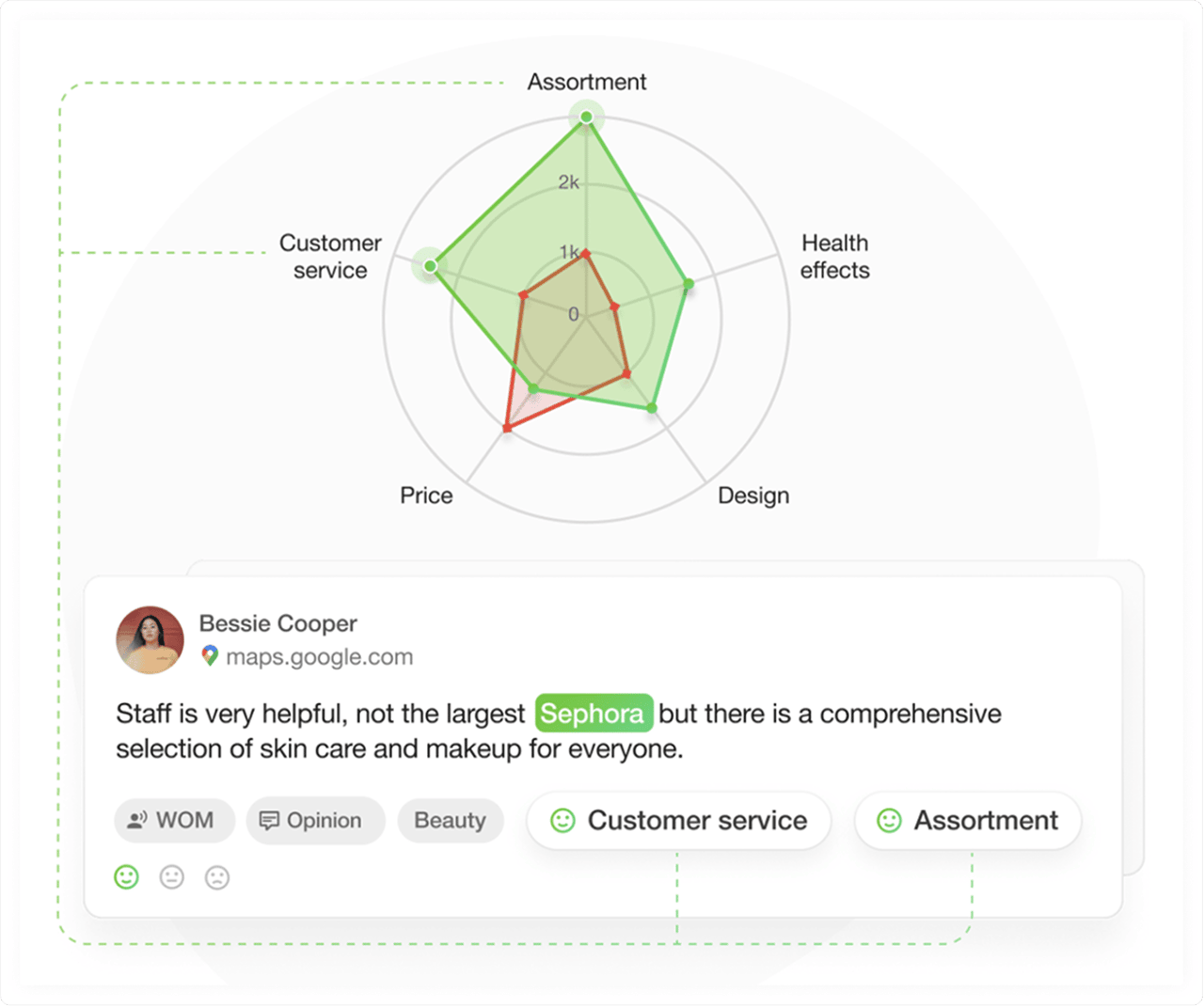
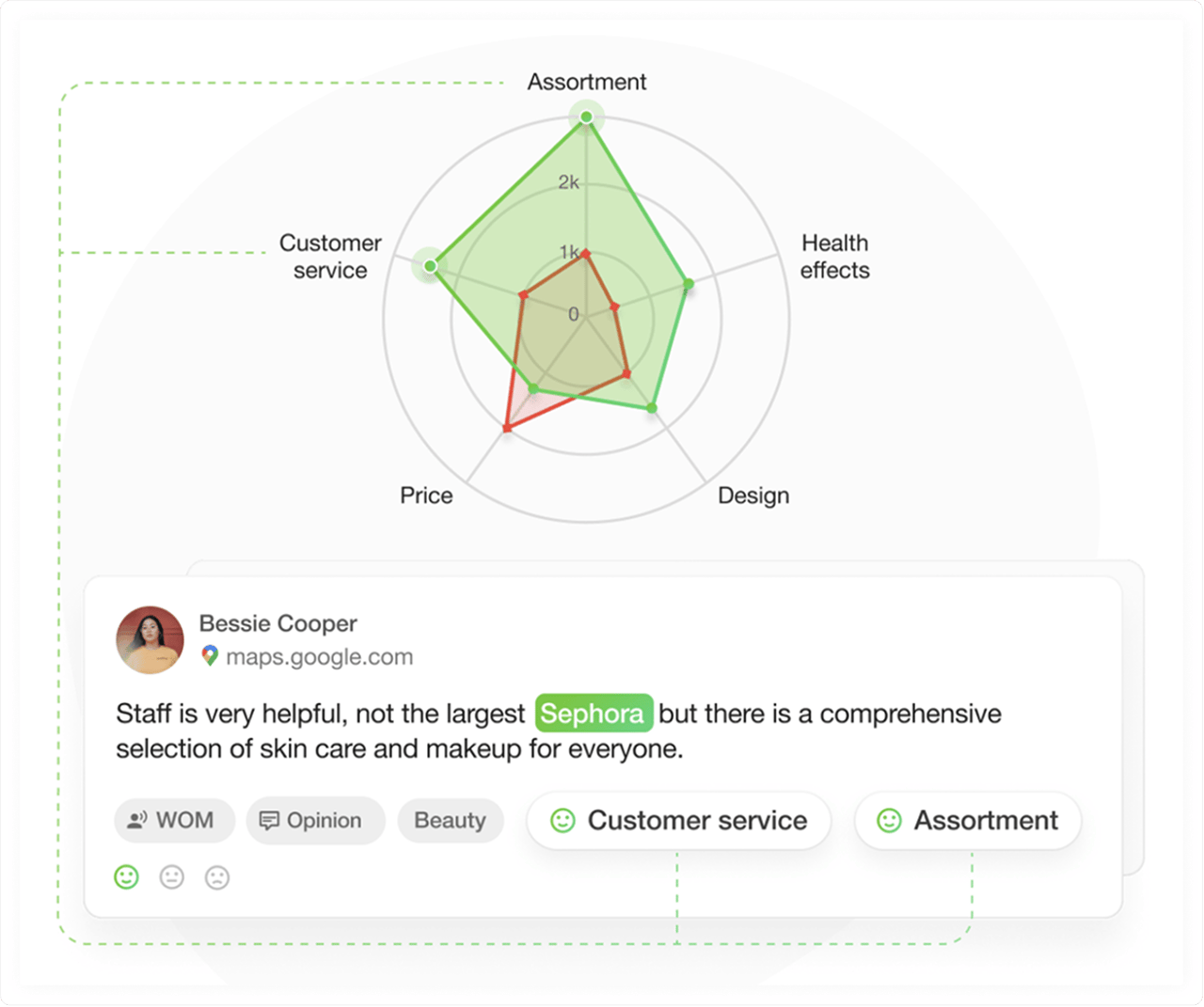
YouScan is an AI-powered social listening and sentiment analysis platform reading text, images, and audience data together. Where most sentiment analysis tools stop at what people write, YouScan runs social media sentiment analysis on what they show — which matters when a customer photographs your product and never types your brand name.
Key features:
Visual Insights recognises logos, objects, scenes, and activities in user-generated images, surfacing up to 80% more brand mentions
Insights Copilot, an AI agent you can question in plain language instead of writing Boolean strings
Audience Insights covering demographics, interests, and occupations of the people talking about you
Aspect-based sentiment analysis broken down by product feature
A fast-food chain launching a limited-edition burger gets meal photos, not written reviews, so a text analysis tool sees a quiet launch. YouScan finds the untagged images and shows which detail drives social media sentiment. Pair it with brand health tracking for the reason behind the overall sentiment score.
Best for: brands whose customers post pictures rather than paragraphs, and anyone comparing brand sentiment analysis tools that handle images.
2. Brandwatch
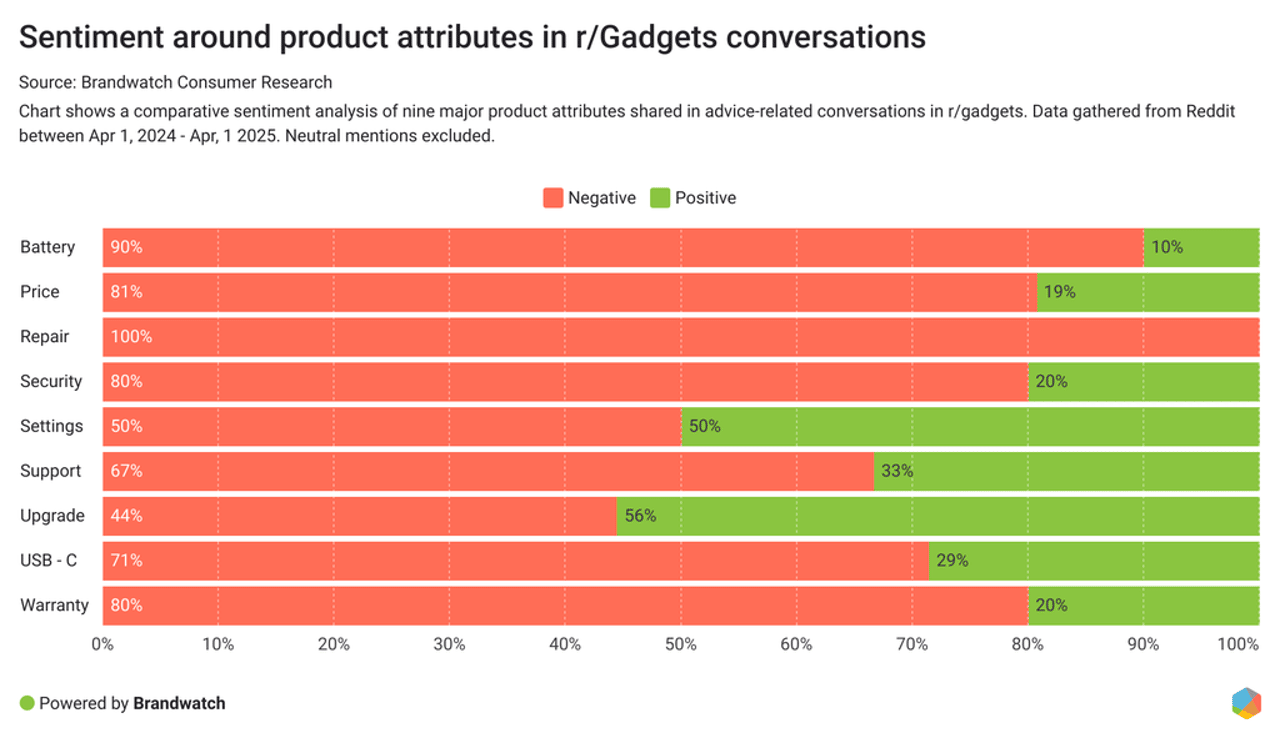
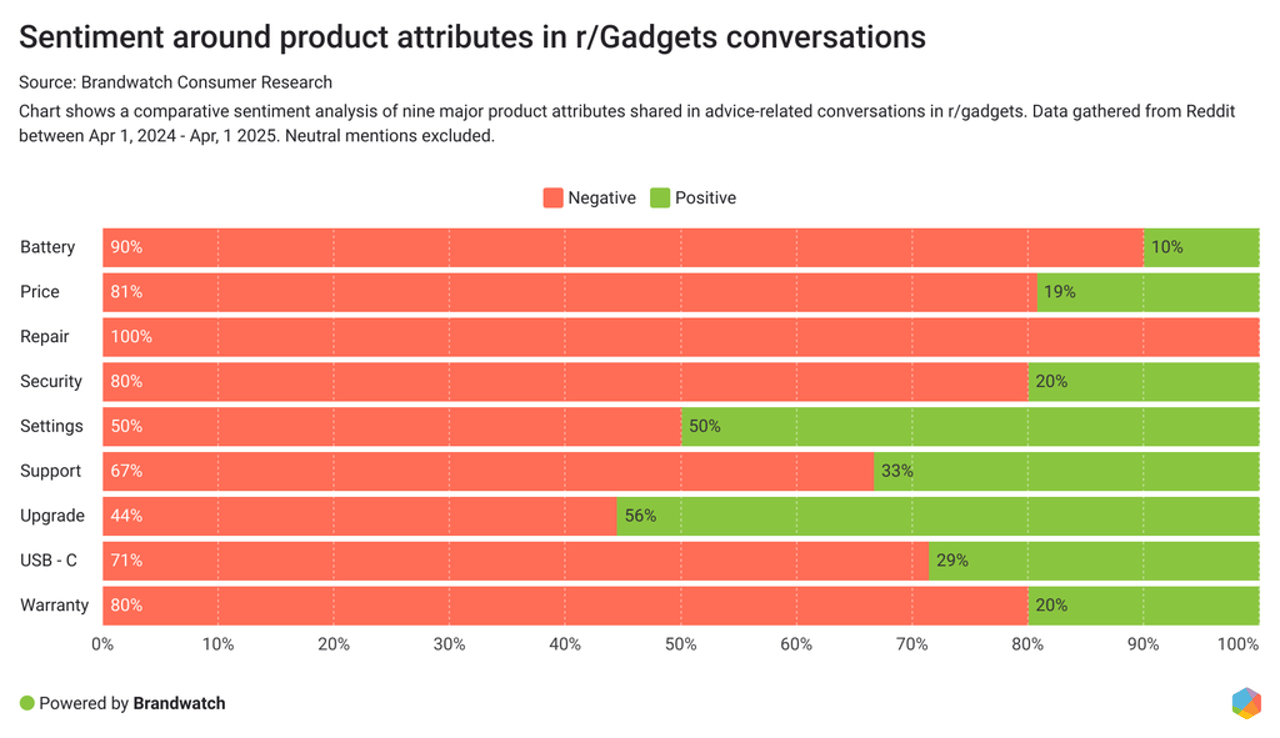
Brandwatch, now a Cision company, is built for market research depth. Consumer Research indexes more than 100 million sources and 1.4 trillion historical posts, so it handles questions about last year rather than last week.
Key features:
Sentiment analysis models covering 44 officially supported languages
Rules that segment historic and future data into your own categories
Manual retagging when the model gets a mention wrong
Author demographics: gender, interests, profession, location
Excel, PPT, PDF, and API export
A consumer goods team can rebuild two years of sentiment trends and watch whether new messaging shifts the mix. The trade-off is setup: Brandwatch rewards analysts who invest in query design.
Best for: insights teams that want depth from their sentiment analysis tools and don't mind a learning curve.
3. Sprinklr Insights
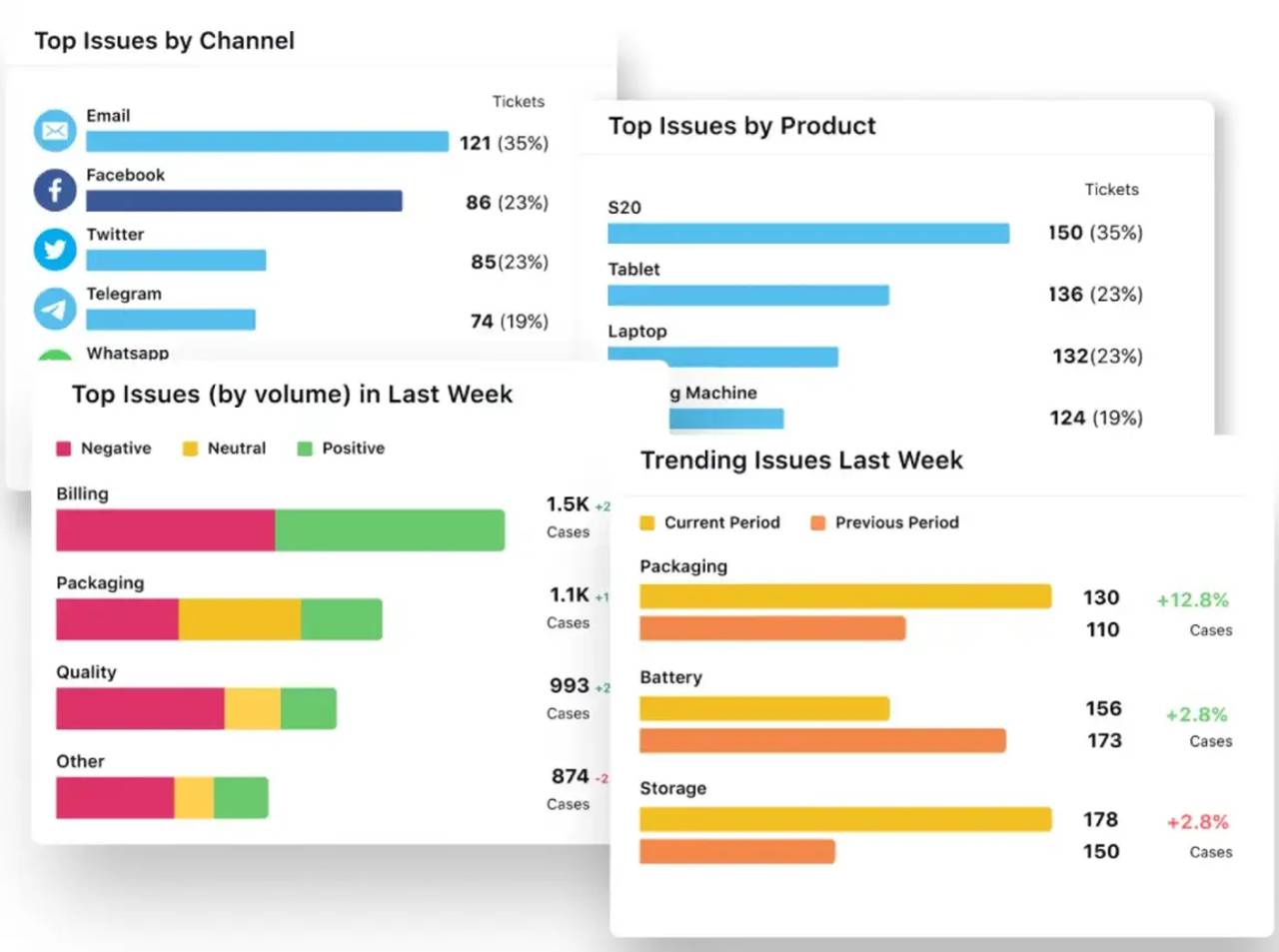
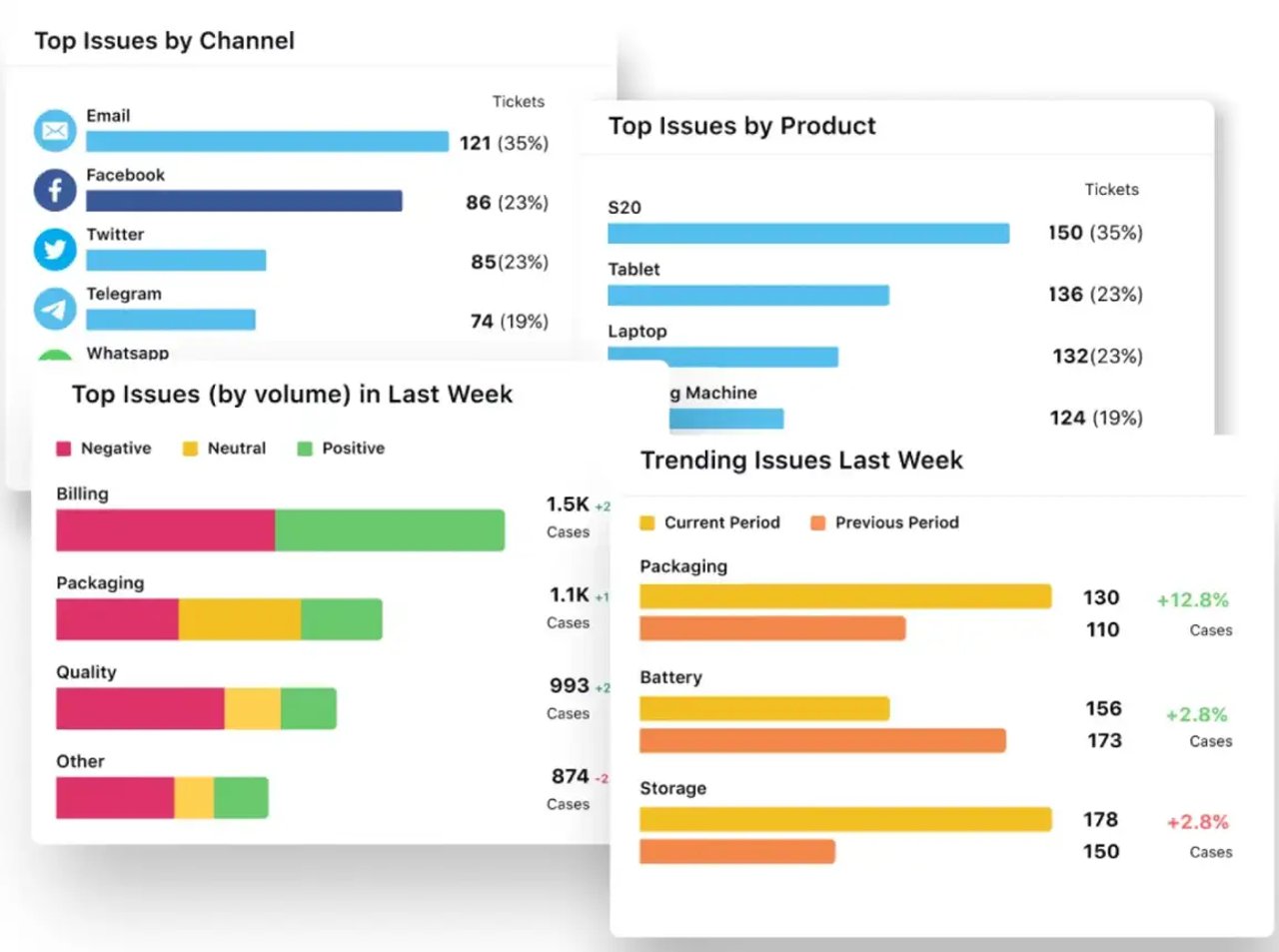
Sprinklr runs at a scale most brands never need, processing petabytes of data daily. Its artificial intelligence covers sentiment, emotion detection, entity identification, and text classification in one engine.
Key features:
Coverage across 30+ social media platforms, with firehose access to a subset
Sentiment and emotion analysis across text, video, audio, and images
AI Topics, which filters noise from ambiguous brand names
Support for 100+ languages
AI Topics solves a problem more brands have than they admit: Sprinklr cites a German bank collecting junk mentions because "bank" also means bench. A better payoff from their case files — Chick-fil-A relaunched a sauce after a mention spike, "flipping sentiment from 73% negative to 92% positive."
Best for: large enterprises already running Sprinklr elsewhere.
4. Talkwalker by Hootsuite
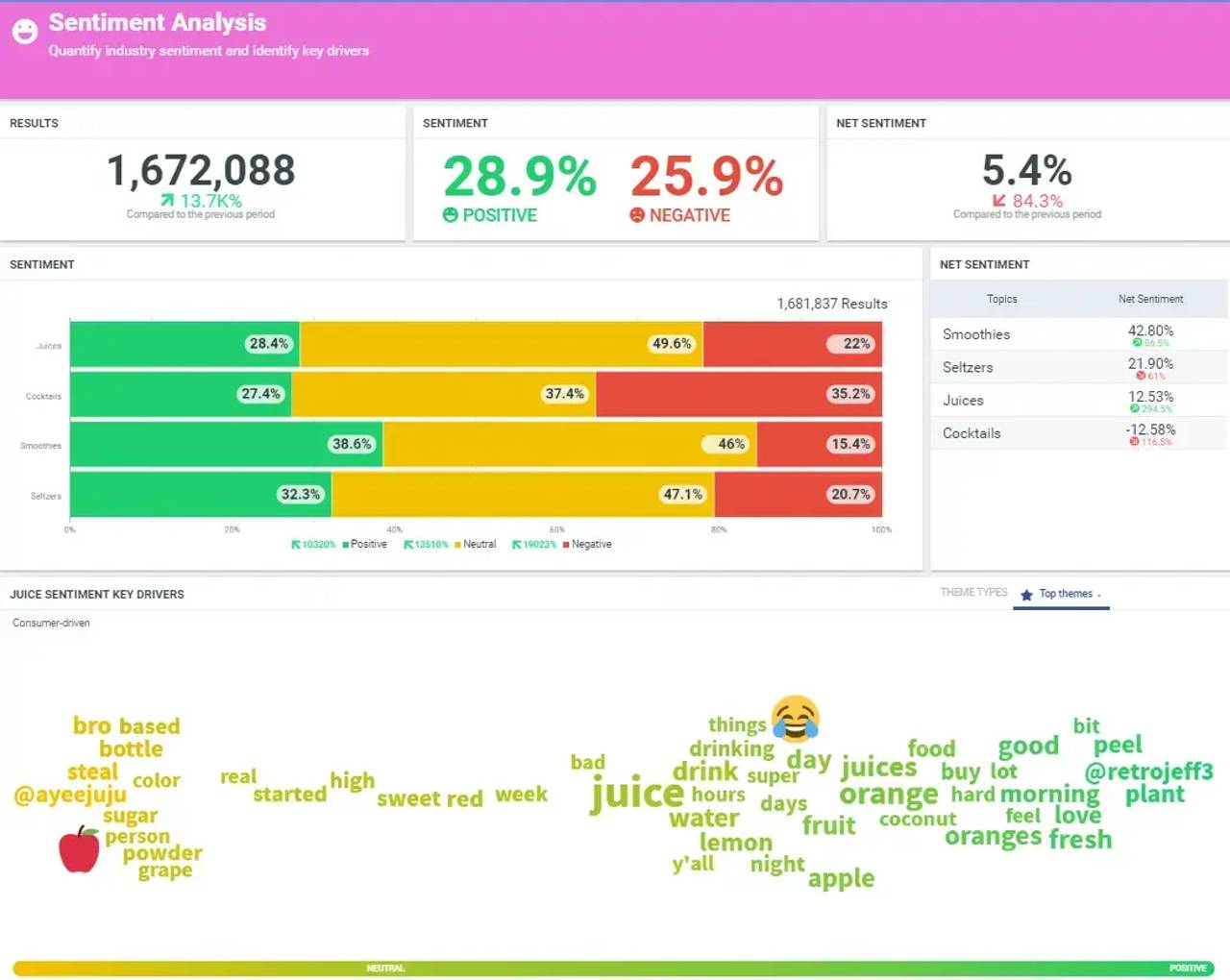
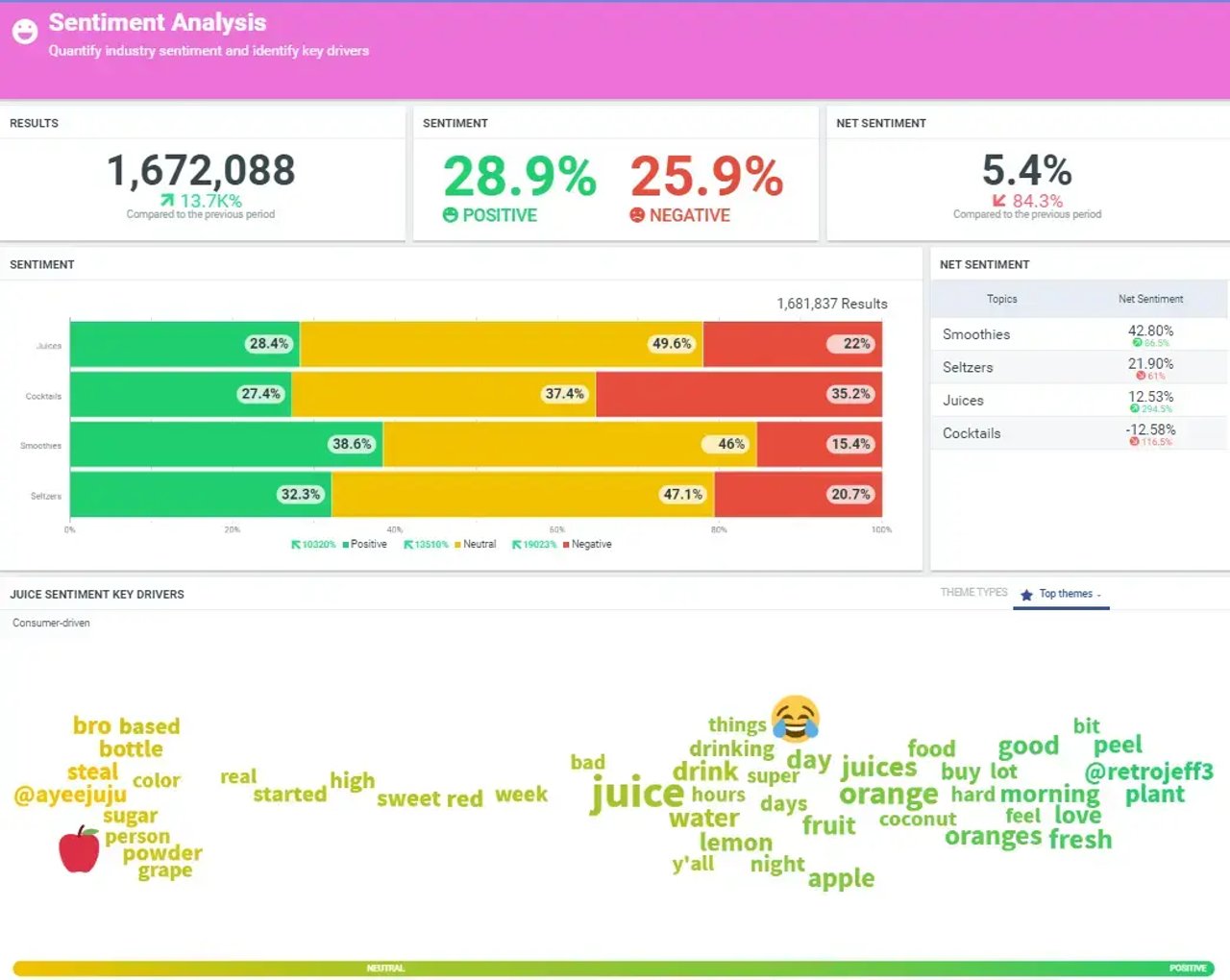
Hootsuite acquired Talkwalker in 2024, and the two ship as one product — worth knowing, because plenty of articles still list them as competitors. Entry-level social media monitoring sits in every Hootsuite plan, with the deeper Talkwalker engine above it.
Key features:
Monitoring across millions of sources in 239 countries
Blue Silk AI for trend forecasting and sentiment analysis in video, image, and audio
Around 300 customer feedback sources including reviews and surveys
Publishing and engagement in the same dashboard
For a mid-sized team, the appeal is one login: spot a sentiment shift, click into the mentions, reply. The Talkwalker side handles the multilingual and visual work Hootsuite's native listening never did.
Best for: teams that want sentiment analysis tools and publishing in one place.
5. Meltwater
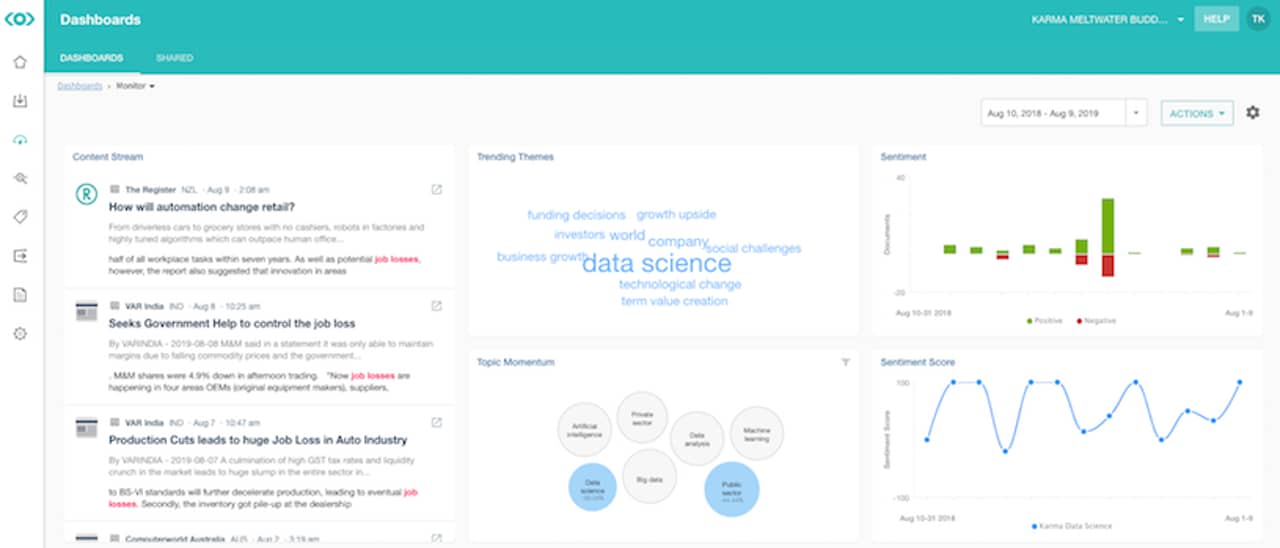
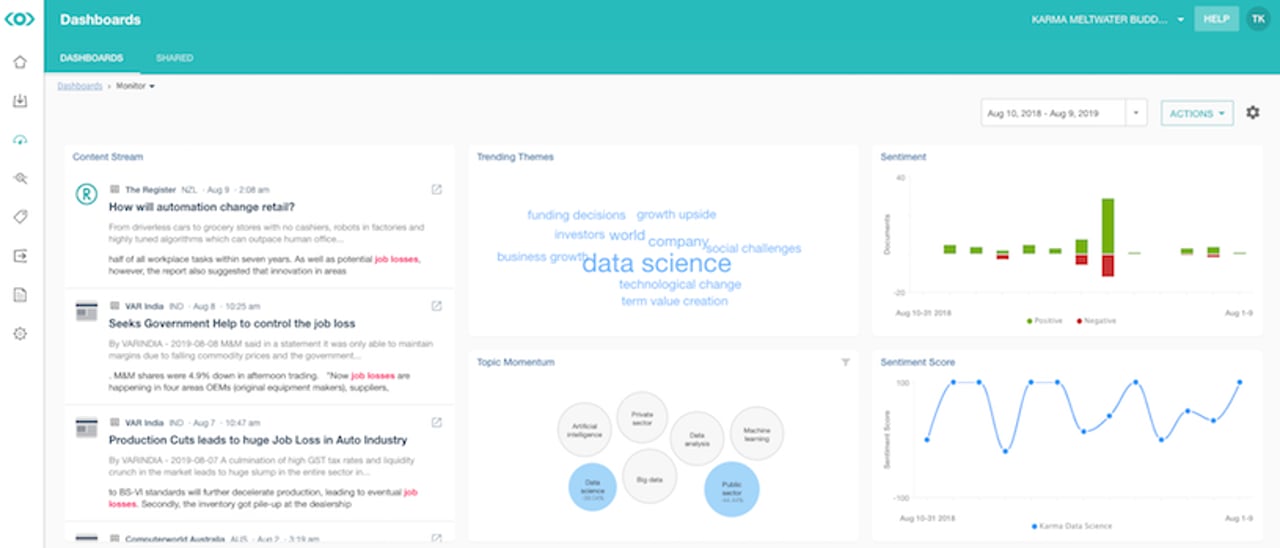
Meltwater comes at sentiment analysis from the media side, tracking news, broadcast and print alongside social media — which is why comms teams protecting brand reputation prefer it over pure social listening tools.
Key features:
Earned media monitoring and social listening in one platform
Mira Companion, embedded AI explaining volume spikes and sentiment shifts
Full Reddit firehose access
Share of voice dashboards and competitor benchmarking
A retailer whose campaign goes viral can watch coverage move from social media to trade press to mainstream news, sentiment tracked at each step — so the comms lead briefs an executive instead of reading 400 articles.
Best for: PR and comms teams who need sentiment analysis across earned media, not just social media.
6. Brand24
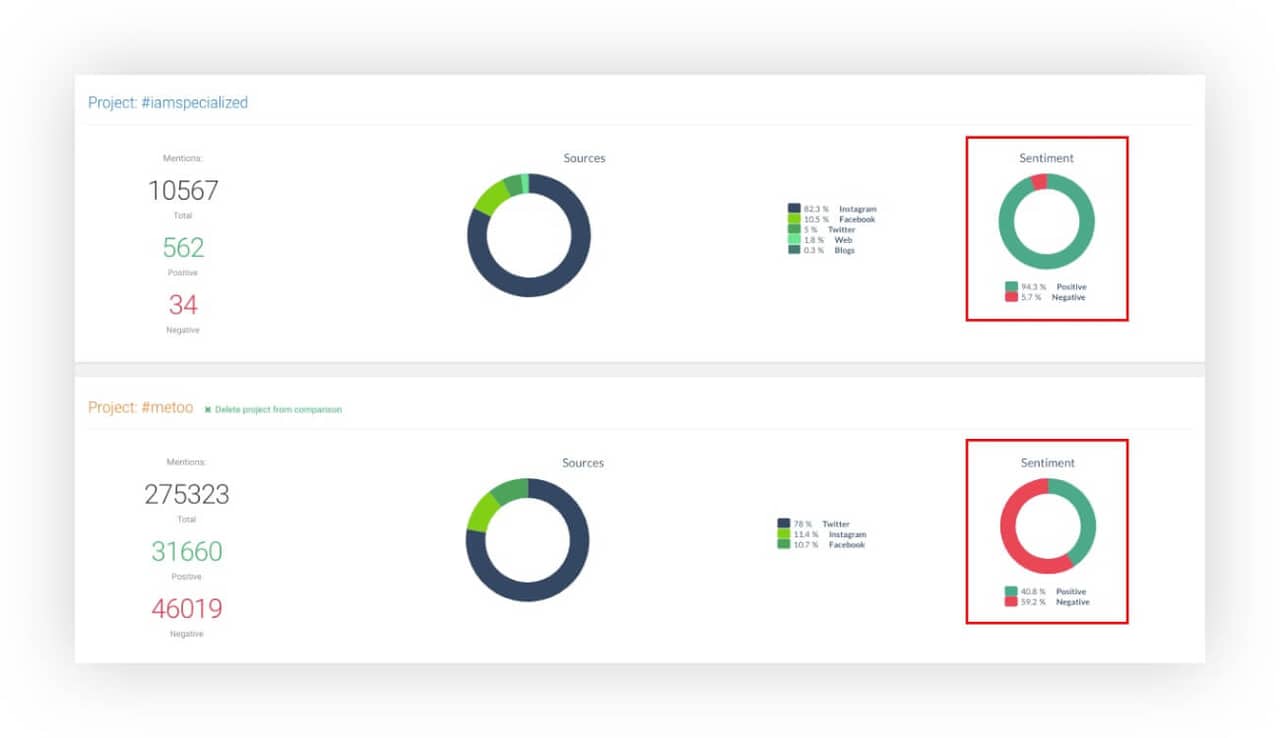
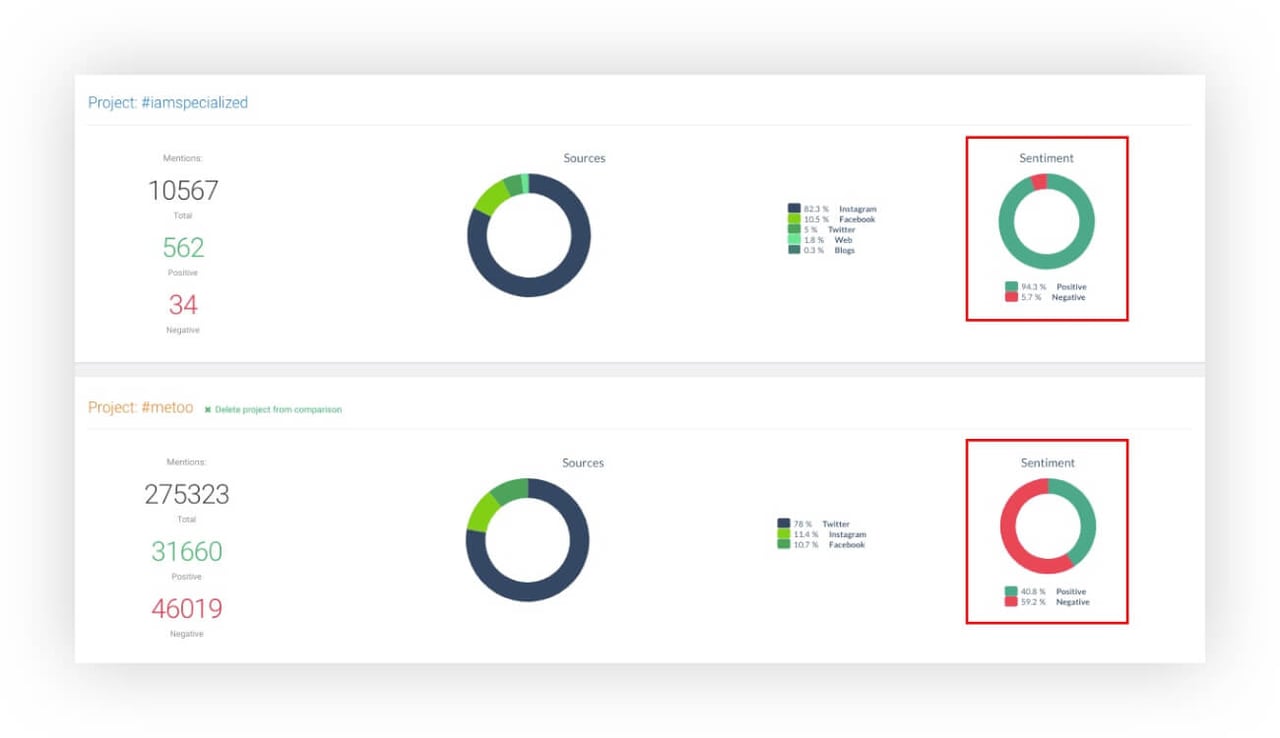
Brand24 includes AI sentiment analysis in every plan rather than gating it behind an enterprise tier, and monitors 25 million sources across social media, news, blogs, forums, podcasts and reviews.
Key features:
Sentiment analysis in every language your audience uses, without translating first
Anomaly Detection that flags unusual spikes and explains the cause
An AI Brand Assistant you can question about your own sentiment data
Topic Analysis scoring themes by reach, mentions, sentiment, and share of voice
LLM listening across nine AI models, including ChatGPT, Gemini, Claude, and Perplexity
That last one is new territory. If customers ask an AI assistant what to buy, sentiment inside those answers becomes a metric you can't ignore. A DTC startup can catch a Reddit complaint thread on day one, then check whether it's reaching AI-generated recommendations.
Best for: small and mid-sized teams who want sentiment analysis tools they can set up in an afternoon.
7. Quid
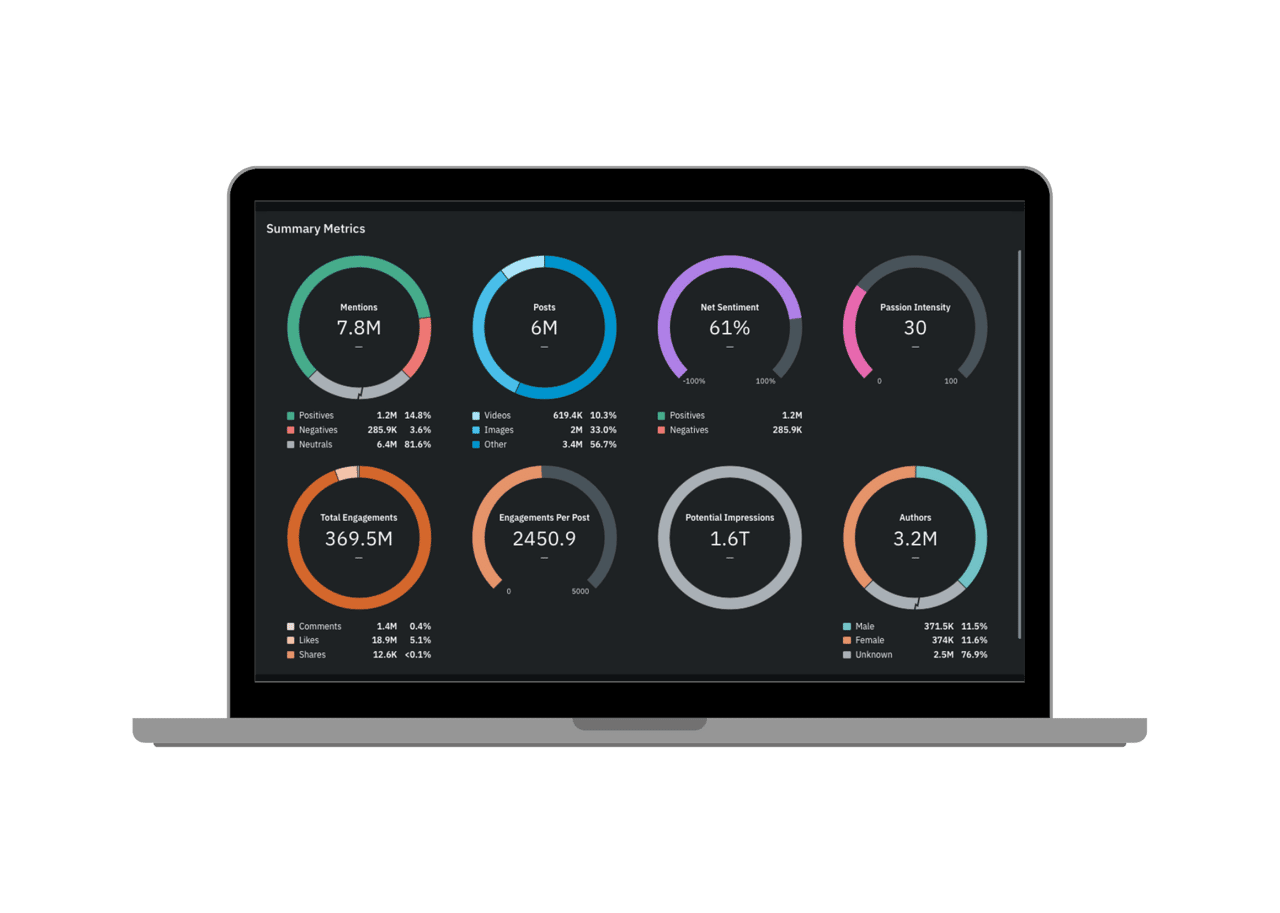
Formerly NetBase Quid, the company rebranded and now positions itself as market intelligence rather than social listening, blending social sentiment with news, patents and filings.
Key features:
The Q Platform, ingesting roughly 300 million documents per day
Quid Monitor for brand health, Discover for patterns, Compete for benchmarking
Network visualisations showing how topics and emerging trends cluster
The Quid Terminal, or integration into your own BI tools
A beverage company evaluating a new category sees consumer conversation, patent activity, and press coverage on one map. It's a research instrument more than a monitoring one — teams wanting daily alerts find it heavy.
Best for: strategy and innovation teams, not day-to-day monitoring.
8. Qualtrics XM Discover
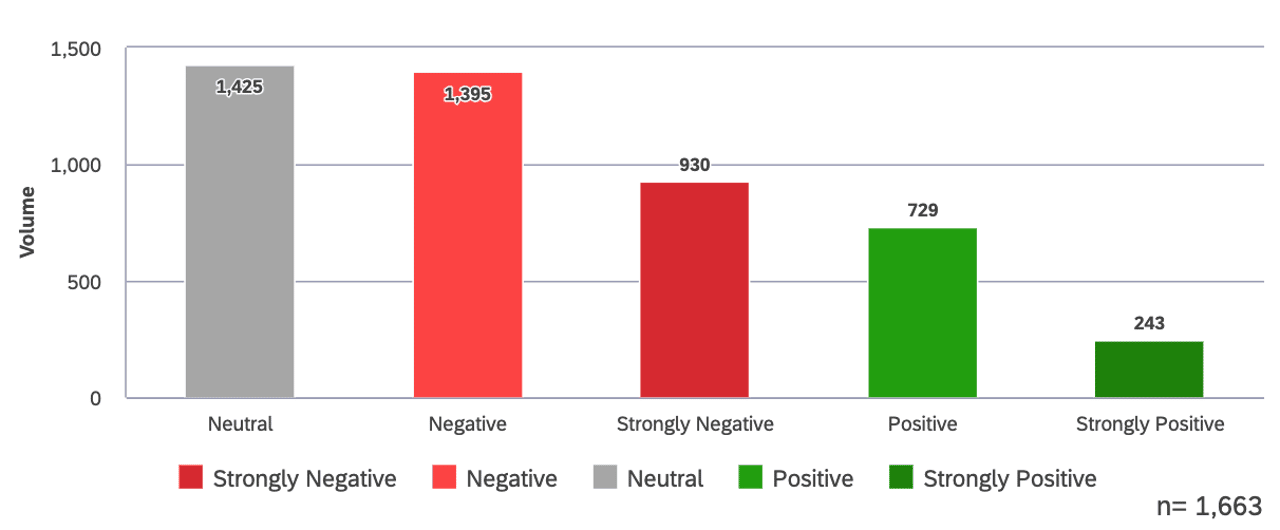
XM Discover is the former Clarabridge, now folded into Qualtrics. If you see Clarabridge listed separately anywhere, that listing is out of date.
Key features:
Sentiment analysis across calls, chat, email, surveys, ratings, reviews, and social media
Topic models and machine learning that surface root causes rather than symptoms
An AI-assisted topic hierarchy generator that drafts your category structure
Adjustable sentiment settings, tuned to your industry's language
A bank can feed call transcripts and survey responses into one model, then see that "app crashes" and "can't log in" are the same issue described in two ways. Customer satisfaction scores rarely surface that on their own.
Best for: enterprises running formal voice-of-customer programmes on structured and unstructured data.
9. Medallia
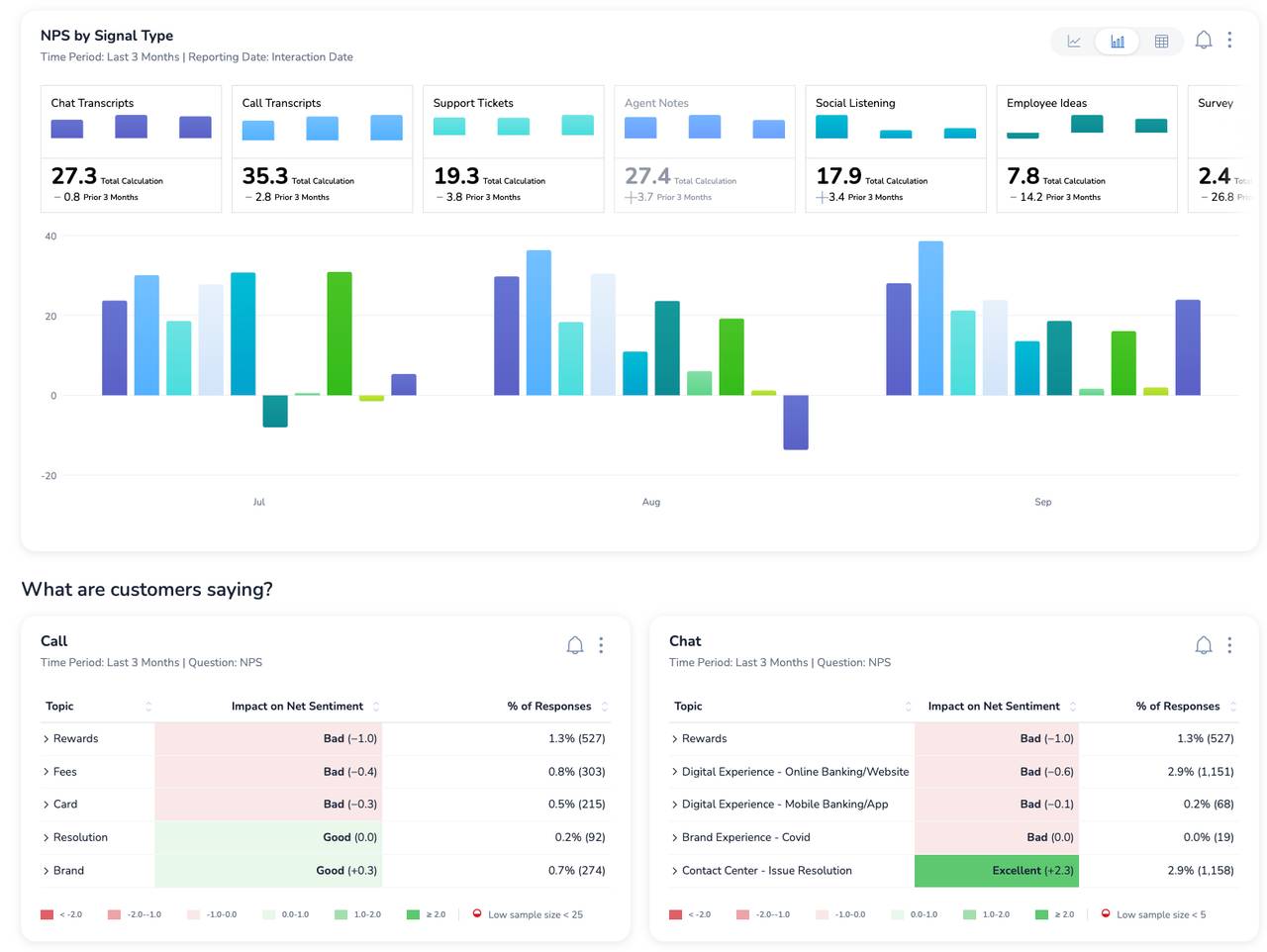
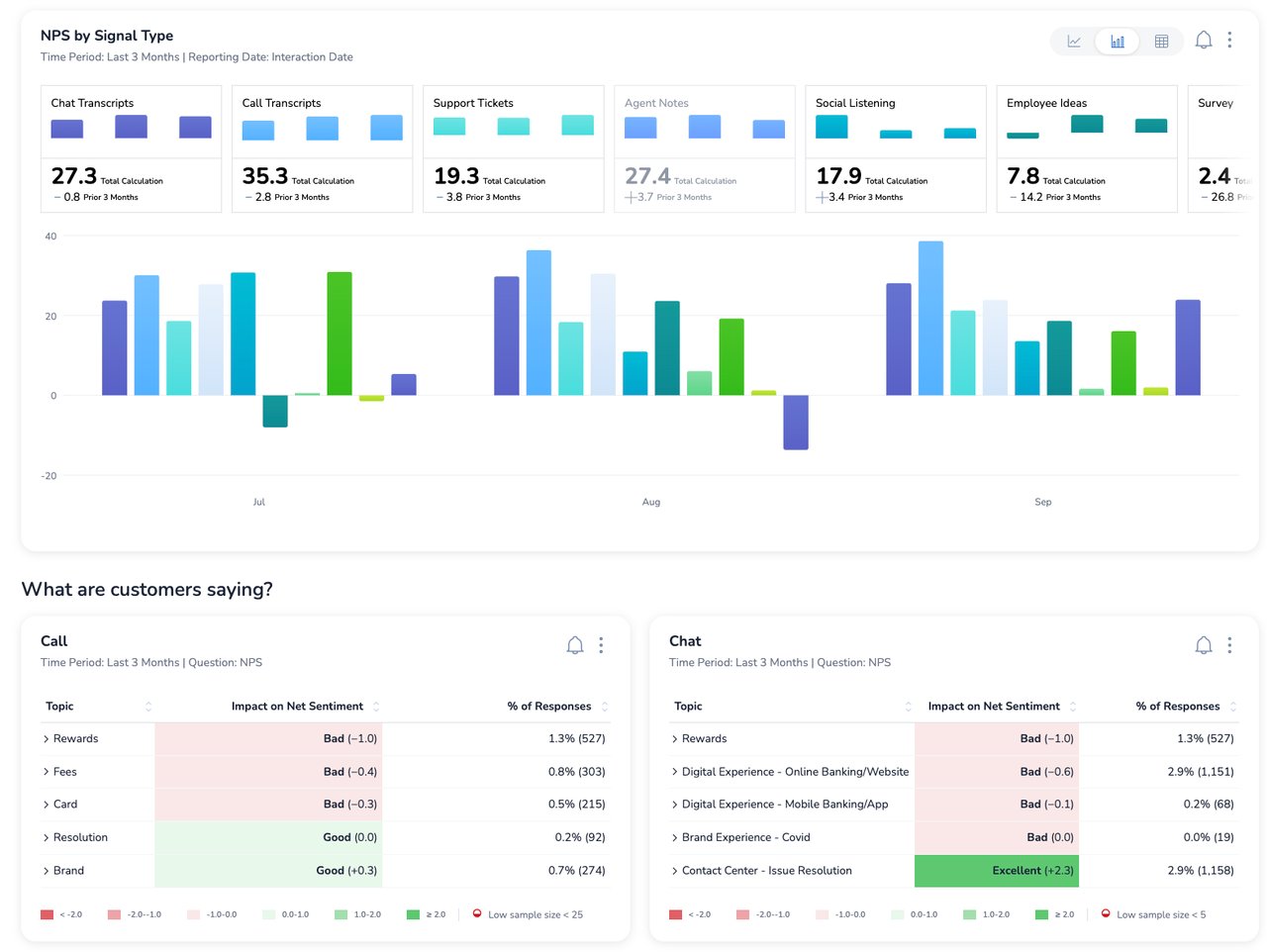
Medallia analyses text, speech, and video, unusual among sentiment analysis software — most competitors handle written customer feedback well and voice badly.
Key features:
Speech analytics that detect tone and frustration in recorded calls
Text analytics across surveys, reviews, and support interactions
Frontline-Ready AI: Smart Response, GenAI themes, Root Cause Assist, intelligent summaries
Conversational intelligence for contact centre quality management
A telecom provider can spot frustration patterns that never appear in survey responses, adjust agent scripts, and watch customer satisfaction move. Reading customer emotions in a recording catches what a rating never will. Medallia also acquired and retired MonkeyLearn — if an older list sent you looking, this is where it went.
Best for: call centres, telecoms and healthcare teams needing sentiment analysis on voice.
10. InMoment
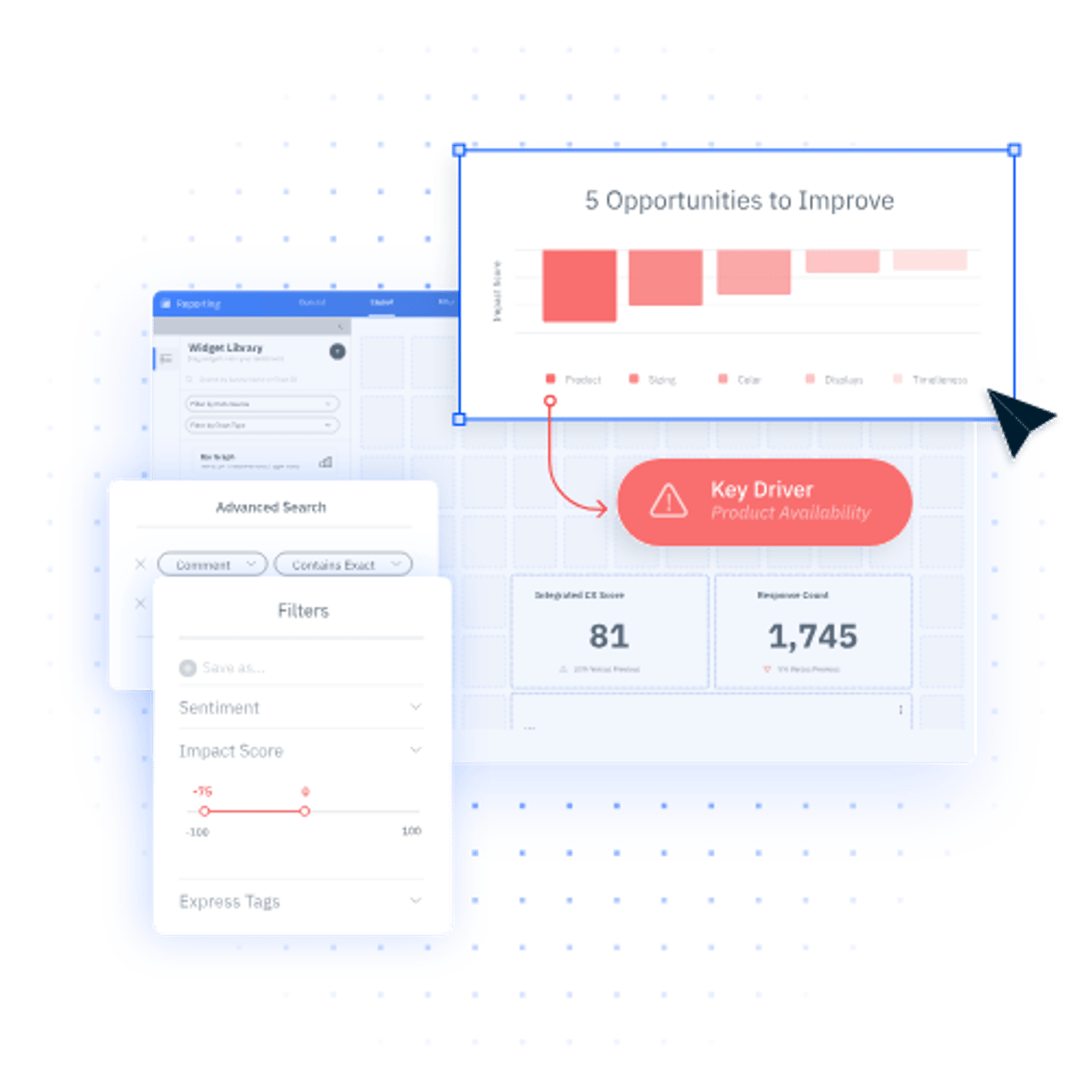
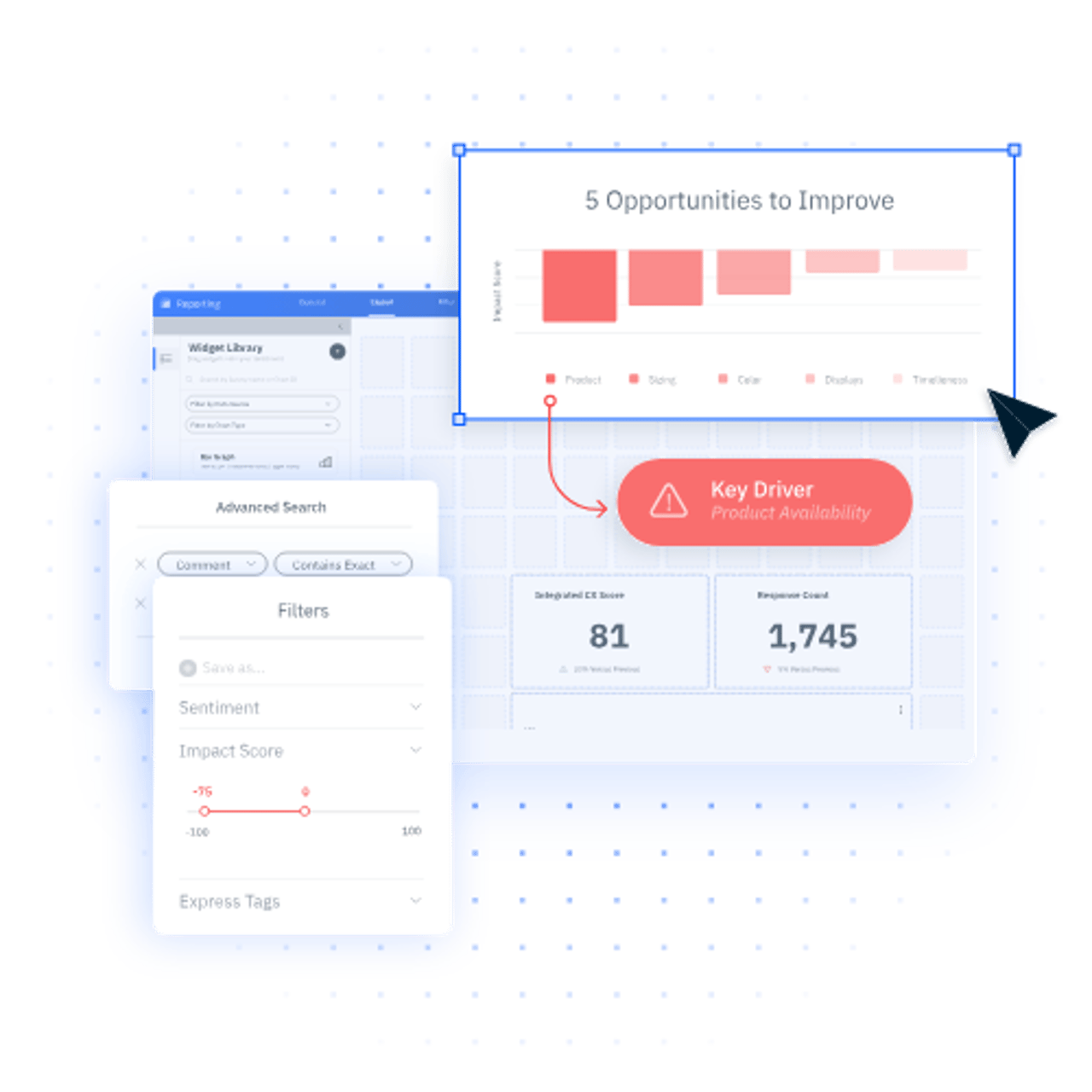
InMoment combines survey responses, reviews, and conversational intelligence with sentiment analysis from the Lexalytics NLP engine it acquired in 2021.
Key features:
Native text analytics across two dozen languages via Lexalytics
Reputation management for ratings and reviews across locations
Conversational intelligence for calls, chats, and support interactions
Smart Summaries that cut analysis time on large volumes
Worth disclosing: after the Press Ganey and Qualtrics acquisitions, InMoment now sits under the same corporate roof as Qualtrics. Both still sell independently, but treat them as siblings rather than rivals on a shortlist.
Best for: multi-location brands blending reviews with customer feedback.
11. Zonka Feedback
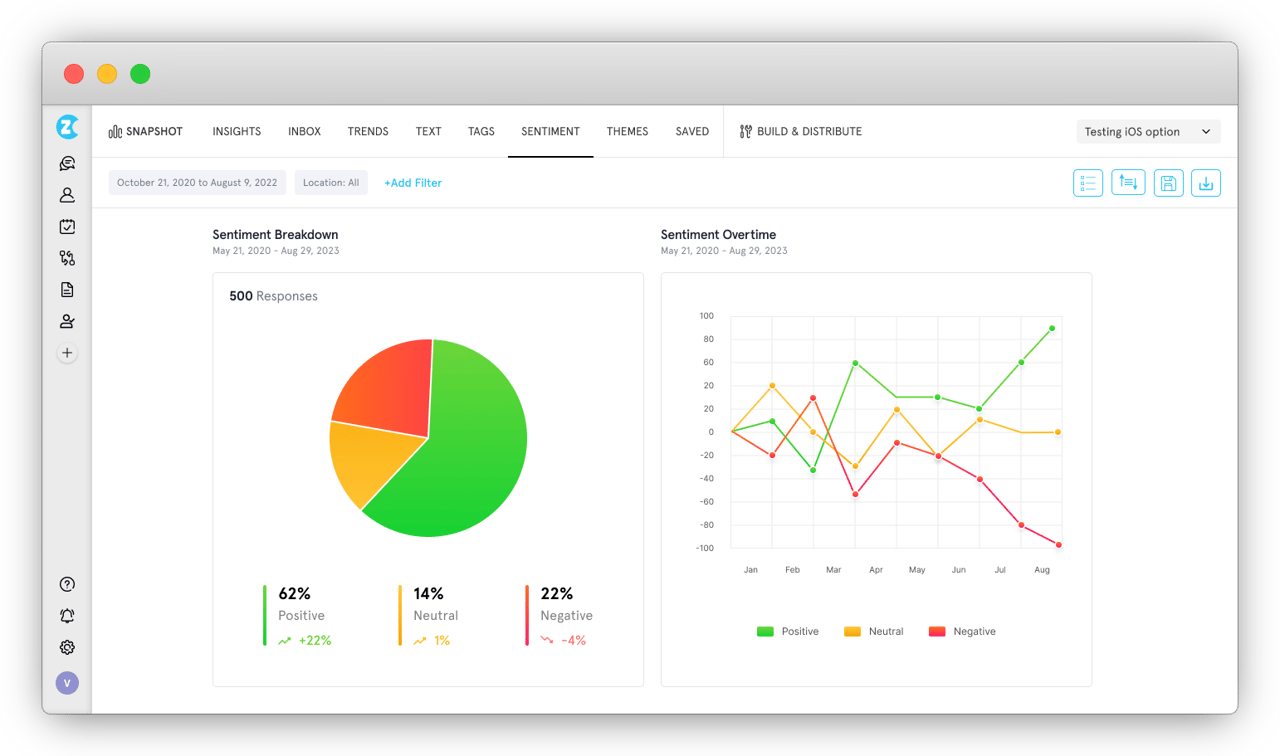
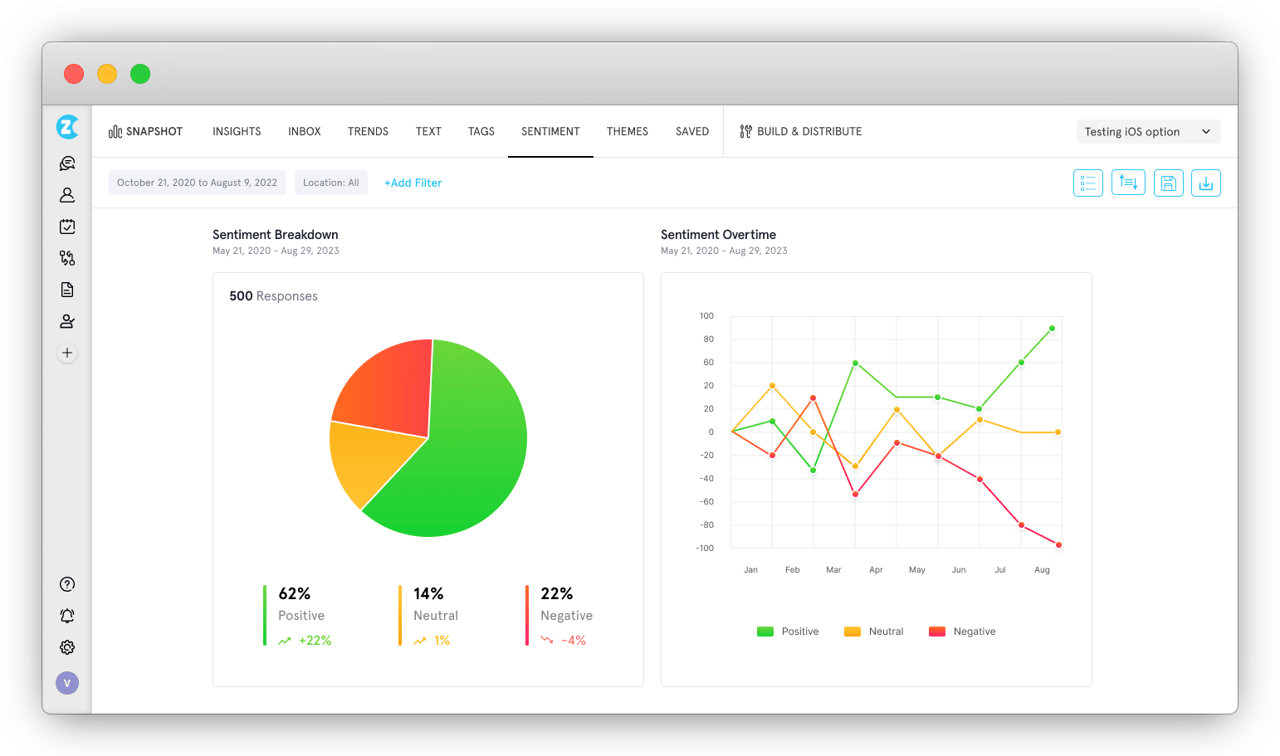
Zonka Feedback collects feedback across channels, then runs sentiment analysis on the open text — the part most survey tools do badly.
Key features:
AI detection of sentiment, emotion, intent, and urgency in open responses
Thematic analysis grouping feedback into themes and sub-themes
Entity recognition tying each comment to a product, location, or agent
Insights Assistant for querying your feedback data directly
Collection via email, SMS, WhatsApp, web, in-app, and kiosks, with NPS, CSAT, and CES
A SaaS company running quarterly NPS gets thousands of comments nobody reads past the first fifty. Zonka can process data from every survey at once, score sentiment per theme, and flag which issues are urgent rather than frequent — which is how improving customer service stops being guesswork.
Best for: teams drowning in NPS and CSAT comments.
12. Thematic
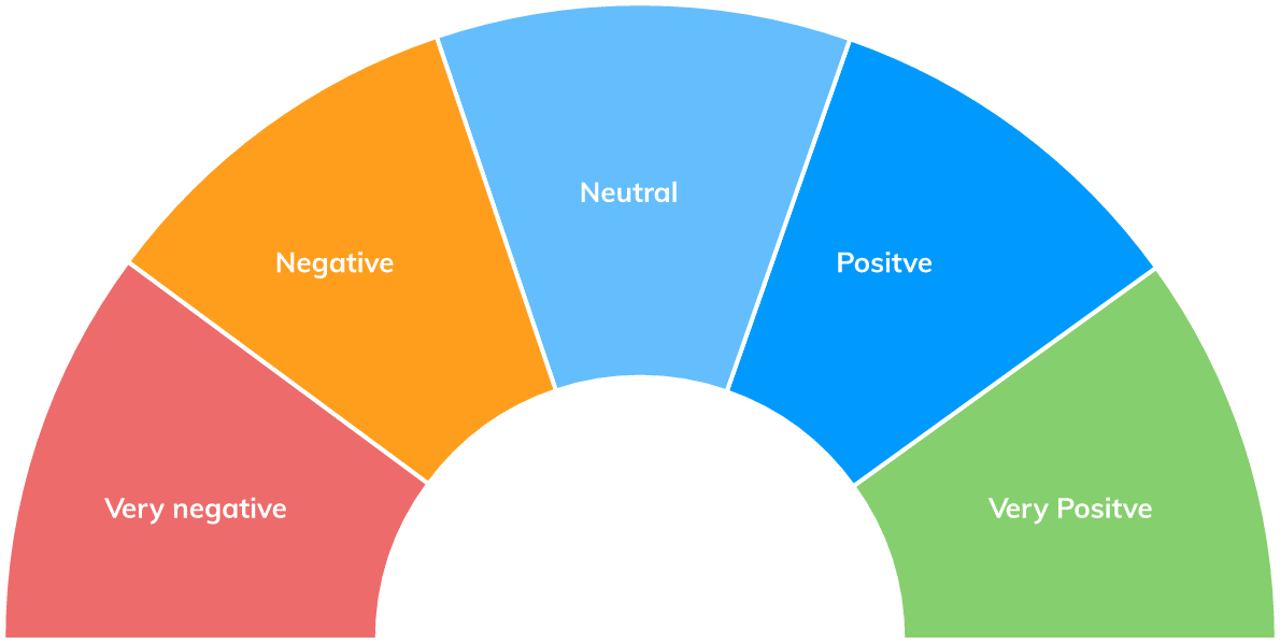
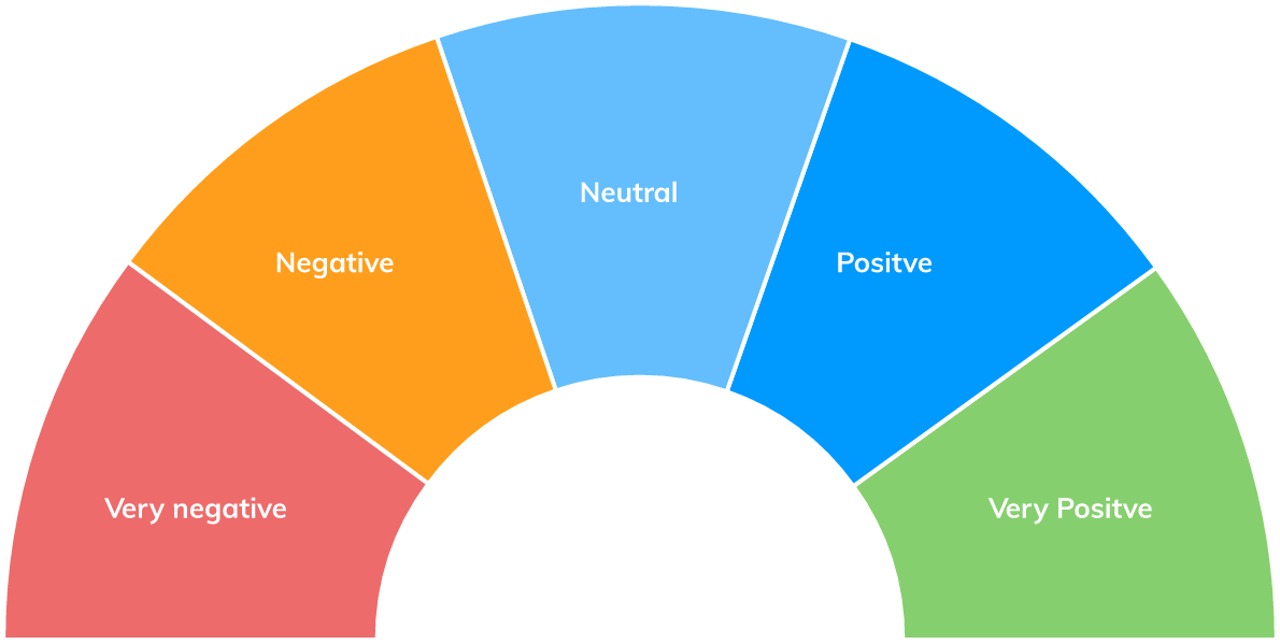
Thematic does one thing carefully: among sentiment analysis tools, it finds themes in unstructured text data without predefined categories, then layers sentiment onto each theme.
Key features:
Unsupervised theme discovery, so you don't guess your categories in advance
Sentiment scored per theme rather than per document
A Theme Editor that lets a human validate and refine the machine learning output
Connections to common survey, review, and support tools
That Theme Editor matters more than most vendors admit: automated detection is only useful if someone can correct it when it merges two issues your business treats separately. Thematic is analysis-only, so it pairs with whatever survey tool you run.
Best for: product and CX teams who want to know what's driving a score.
13. Reputation
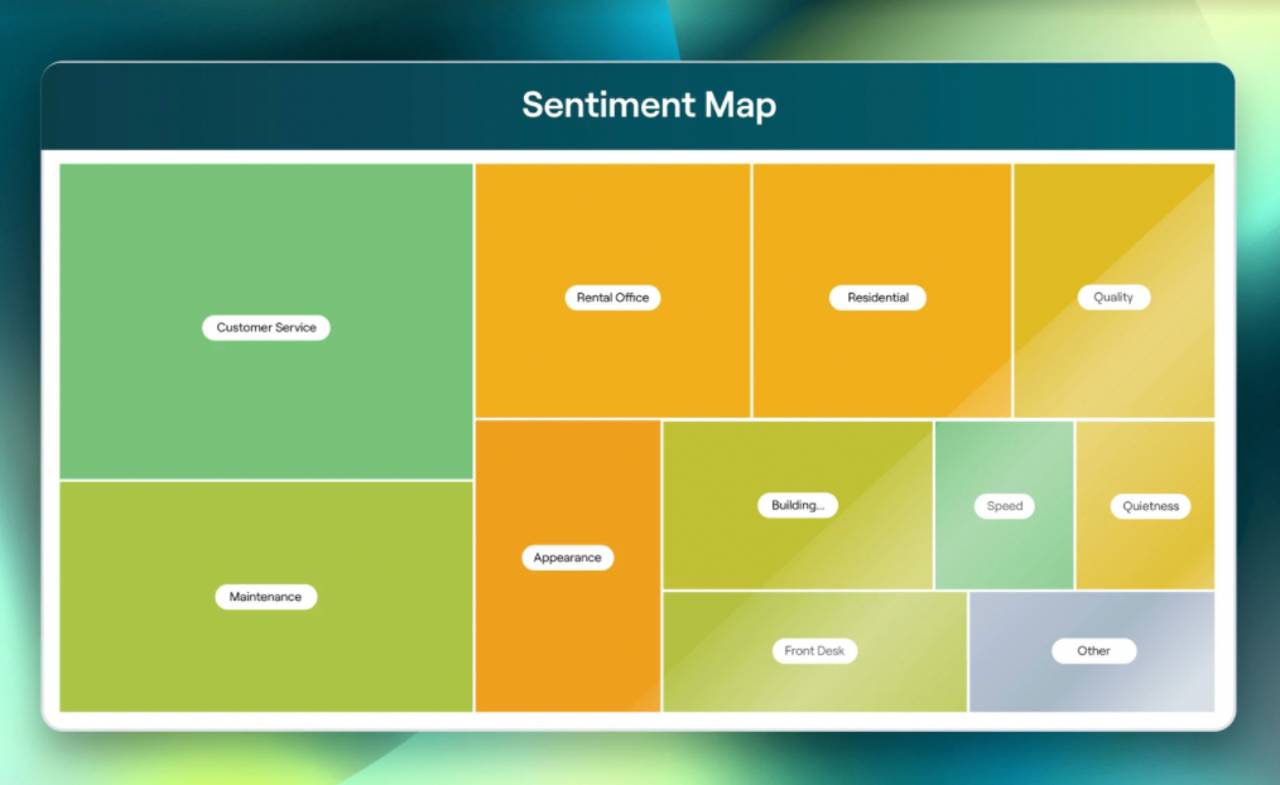
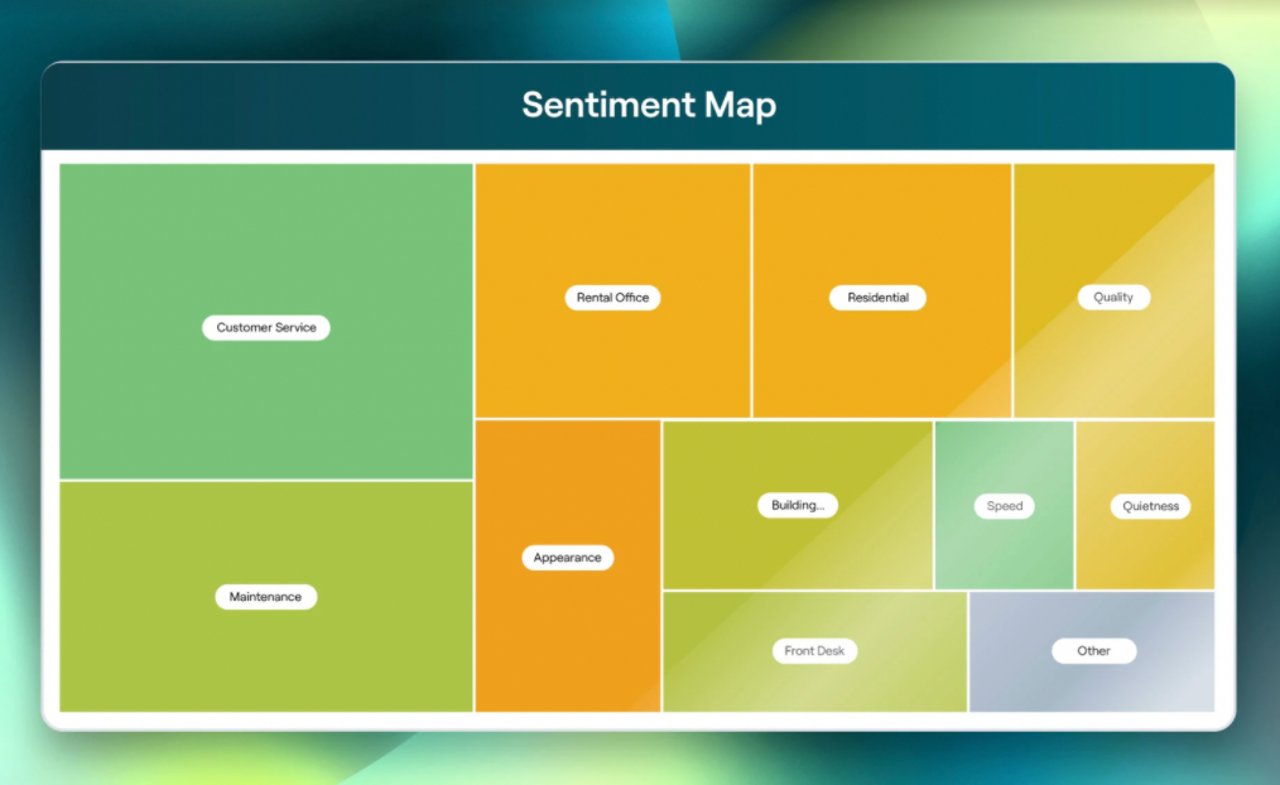
Reputation aggregates reviews, listings, and surveys across locations, producing sentiment scores per site. Note the name: it goes by Reputation now, not Reputation.com.
Key features:
Review aggregation and sentiment scoring across every location
Competitive intelligence benchmarked by market and category
Actions workflows routing issues into tracked tickets with escalation
AI Reputation Manager, tracking how AI systems describe your brand
A healthcare group with forty clinics can compare patient sentiment site by site, spot the locations dragging the average down, and route the complaint to a named owner. Multi-location reporting is where it separates from general social listening tools.
Best for: franchises, healthcare, and anyone tracking customer sentiment across fifty storefronts.
14. IBM Watson Natural Language Understanding
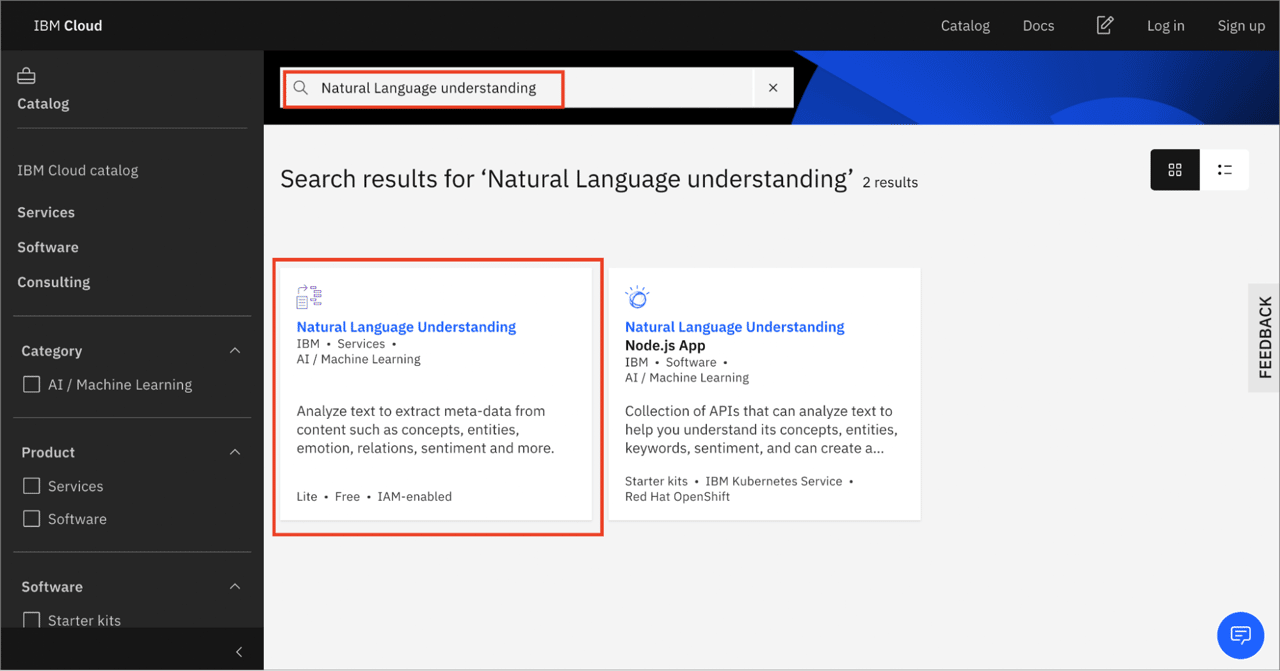
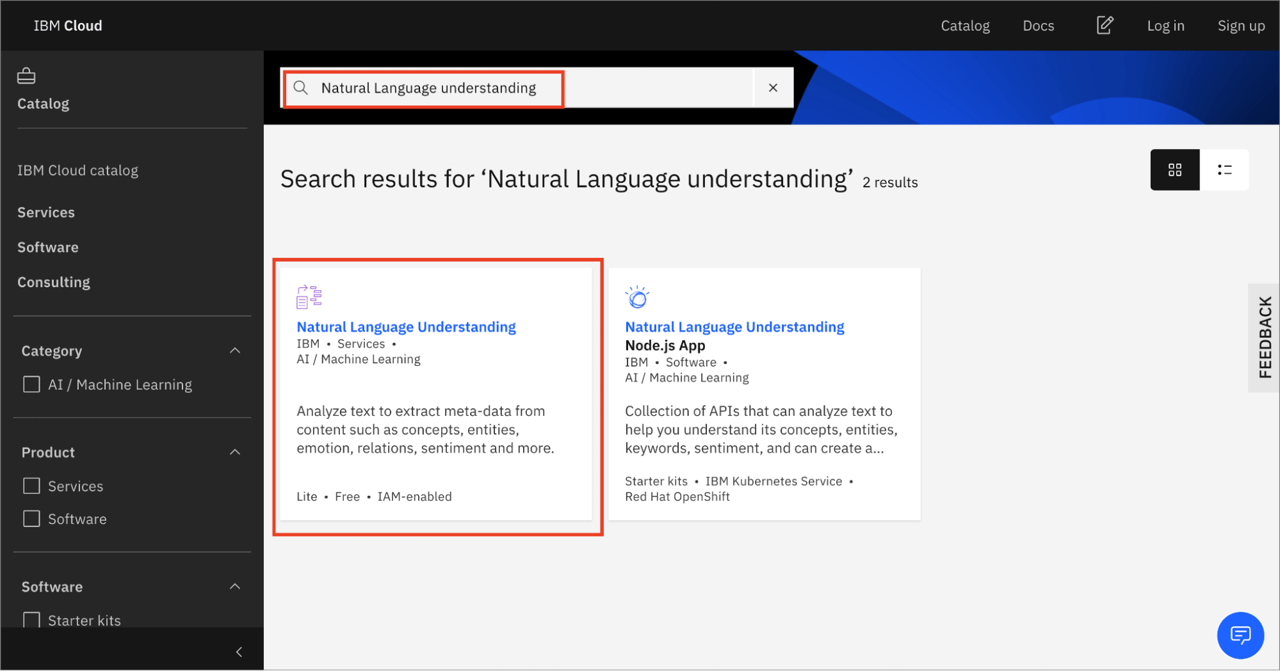
Watson NLU is IBM's natural language processing API for sentiment. If you've seen it called "Watson NLP" elsewhere, that's a different embeddable library — NLU is the commercial service.
Key features:
Sentiment and emotion extraction at document level and on specific phrases
Custom models trained on your own domain language
A dozen-plus languages, including Arabic, Japanese, Korean, and Portuguese
Deployment on cloud or behind your own firewall
A multinational can process data in multiple languages through one API and feed results into an existing warehouse. Note that IBM retired Watson Tone Analyzer — tone now runs through NLU's classification model.
Best for: developers embedding a sentiment analysis API into their own product.
15. Google Cloud Natural Language API
Google's is the most straightforward sentiment analysis API here. The analyzeSentiment method returns a score and a magnitude at the document and sentence level, with language detected automatically.
Key features:
Document-level and sentence-level sentiment scores
Magnitude values showing how strongly sentiment is expressed
Automatic language detection
Pay-as-you-go pricing with a free tier
The score-plus-magnitude design earns its keep: a long, evenly balanced review lands near zero on score but high on magnitude, which a single polarity label would hide.
Best for: engineering teams already on Google Cloud who need raw scores, not a dashboard.
16. SentiStrength
The oldest tool here, and still quietly useful for research. SentiStrength scores the strength of positive and negative sentiment in short, informal social media posts.
Key features:
Dual scoring: positive and negative strength reported separately, each 1 to 5
Binary, trinary, and single-scale outputs when you need one number
Built for informal text: emoticons, exaggerated punctuation, deliberate misspellings
Free for academic research; a commercial licence costs £1,000
The dual score is the clever part: a post that's enthusiastically angry scores high on both, which polarity-only sentiment analysis models flatten into a misleading neutral.
Best for: researchers and anyone benchmarking sentiment analysis models on a budget.
Sentiment analysis tools compared
Tool | What it analyses | Standout sentiment features | Best for |
YouScan | Text, images, video | Logo and object recognition, Insights Copilot AI agent, aspect-level breakdown | Brands whose customers post pictures |
Brandwatch | Text, images | 44 languages, manual retagging, rules-based segmentation, author demographics | Deep consumer research |
Sprinklr Insights | Text, video, audio, images | Emotion and entity detection, AI Topics noise filtering, 100+ languages | Enterprise-scale social sentiment |
Talkwalker by Hootsuite | Text, image, video, audio | Blue Silk AI, trend forecasting, 239 countries, publishing built-in | Listening plus publishing |
Meltwater | News, broadcast, social | Mira Companion explains spikes, Reddit firehose, and share of voice | PR and media intelligence |
Brand24 | Text | Sentiment on every plan, anomaly detection, AI Brand Assistant, LLM listening | Fast, accessible monitoring |
Quid | Social, news, patents, filings | Network visualisations, Monitor, Discover, and Compete modules | Market and trend intelligence |
Qualtrics XM Discover | Text, chat, voice transcripts | Tunable sentiment settings, AI topic hierarchy, root-cause models | Enterprise voice of the customer |
Medallia | Text, speech, video | Call-centre speech analytics, GenAI themes, Root Cause Assist | Contact centres and voice |
InMoment | Surveys, reviews, calls | Lexalytics NLP, two dozen languages, Smart Summaries | Reviews and reputation |
Zonka Feedback | Survey and support text | Emotion, intent and urgency detection, entity recognition | NPS and CSAT comment volume |
Thematic | Feedback text | Unsupervised themes, sentiment per theme, human Theme Editor | Theme-level feedback analysis |
Reputation | Reviews, listings, surveys | Per-location scoring, competitive benchmarking, AI Reputation Manager | Multi-location brands |
IBM Watson NLU | Text, via API | Targeted sentiment on phrases, custom models, on-premise option | Developer integrations |
Google Cloud NL API | Text, via API | Score plus magnitude, sentence and document level, auto language detection | Teams on Google Cloud |
SentiStrength | Short informal text | Dual 1-to-5 positive and negative scoring, binary outputs | Academic and research use |
Pricing is deliberately absent: most vendors quote on request, and published figures go stale within a quarter. The best sentiment analysis tools are the ones whose data sources match yours, not the ones with the longest feature list.
How to choose sentiment analysis tools for your customer feedback
Comparing sentiment analysis tools starts with an annoying question: what decision will this change? If you can't name one, no tool will help.
Then work through four filters. Where do your conversations happen — social media comments, review sites, news sites, support interactions? Do you need multiple languages scored natively, or is English enough? Will it connect to your CRM and analytics tools without a six-week project? Can a non-analyst pull a report on Friday?
Budget matters when comparing sentiment analysis tools, but less than people expect. The expensive mistake is an enterprise platform nobody gets trained on, not something slightly too small. Sentiment analysis tools scale up more easily than teams do, and customer sentiment work is only as good as its reader.
Run a real trial before signing. Take one week of your own mentions, run it through two shortlisted tools, and hand-check a hundred labels. You'll learn more in that afternoon than from any feature comparison.
One more consideration for 2026. Genesys reports in its State of Customer Experience 2026 that "76% of consumers believe AI will improve the quality and speed of customer service." Expectations are climbing, and catching negative sentiment early is part of meeting them.
Final thoughts
Sentiment analysis tools won't tell you what to do. They tell you where to look — most of the battle when you're facing millions of social media comments and a Monday deadline.
Pick the sentiment analysis tools that fit how your customers actually talk. If they talk in pictures, choose one that can see.
Try YouScan and find out what your images have been saying.
FAQ
Which tool is best for sentiment analysis?
There's no single answer, because sentiment analysis tools specialise. YouScan suits brands needing visual and text analysis, Brandwatch and Sprinklr suit large research teams, Brand24 suits smaller budgets. Match the tool to your data sources first, then trial two or three on the same week of data.
Can ChatGPT analyze sentiment?
It can, for small batches. It isn't built for continuous social media monitoring, alerting or structured reporting across millions of brand mentions — which is what dedicated sentiment analysis software does. It also won't tell you how customers feel over time, only how they felt in the text you pasted.
What is the Python tool for sentiment analysis?
NLTK, VADER, TextBlob and Hugging Face Transformers are the usual libraries. VADER handles short social text well; Transformers gives you better accuracy in exchange for more setup.
How accurate is sentiment analysis?
Accuracy varies by language, source and sarcasm. Expect roughly 80–95% when text data is clear and noticeably less on irony, mixed sentiment and slang. Spot-check your sentiment scores and correct what's wrong.